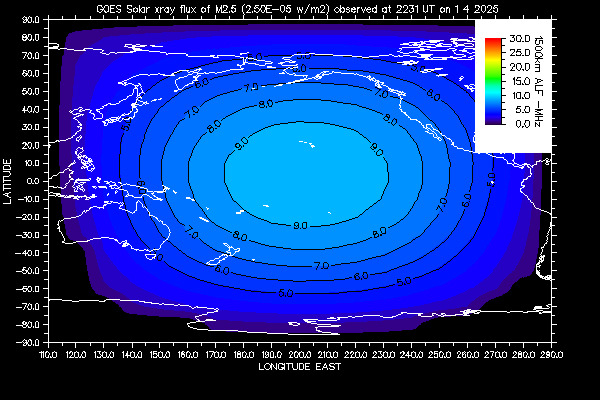
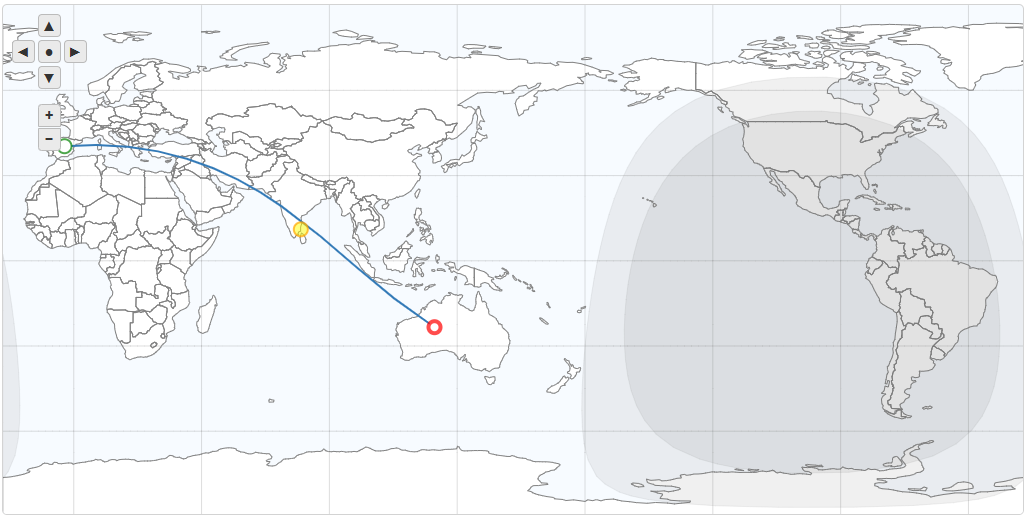
Several space-weather phenomena can affect radio communications and radionavigation systems across a wide range of frequencies, from very low frequency (VLF) bands to those used by satellite-based services. Solar flares can rapidly increase ionization in the lower ionosphere, particularly in the D-region on the sunlit side of Earth, causing enhanced absorption of HF radio waves and potentially producing radio blackouts. Solar Radiation Storms induced by Solar proton events (SPEs) can also increase D-region ionization, particularly at high geomagnetic latitudes, where they may cause severe HF absorption known as Polar Cap Absorption (PCA).
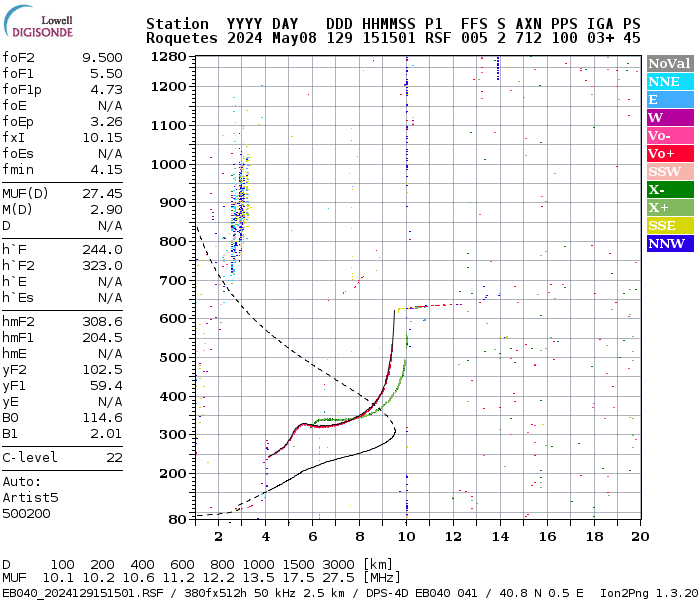
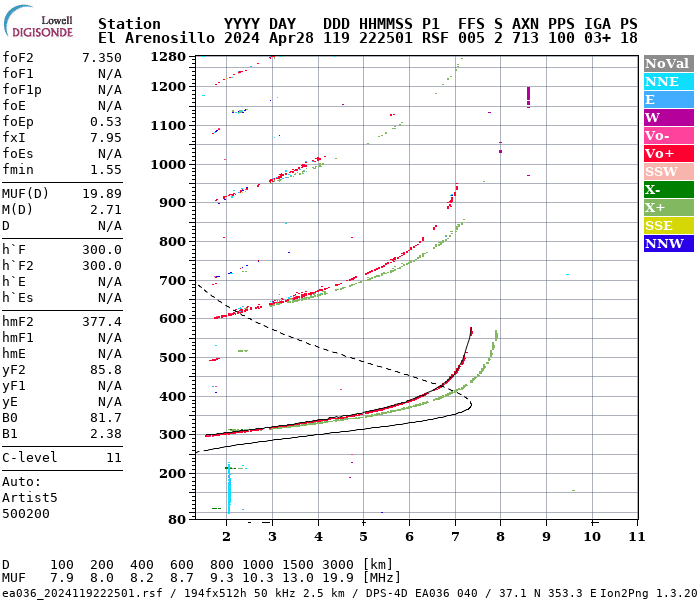
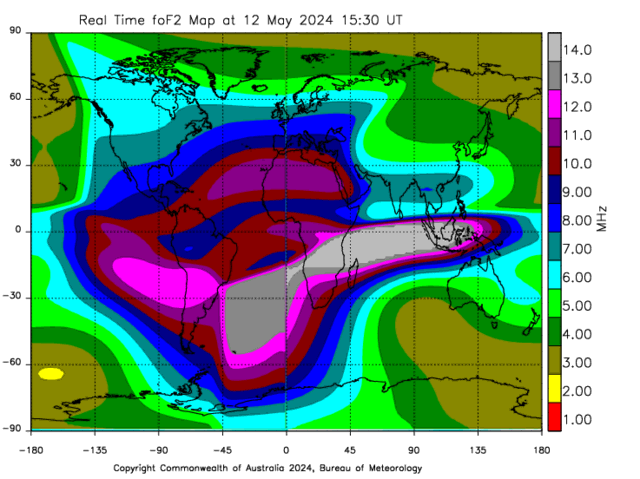
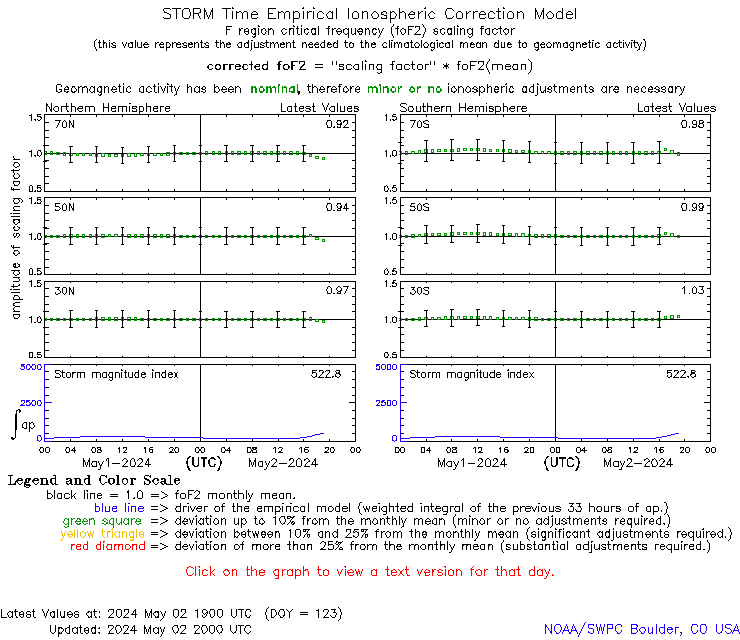
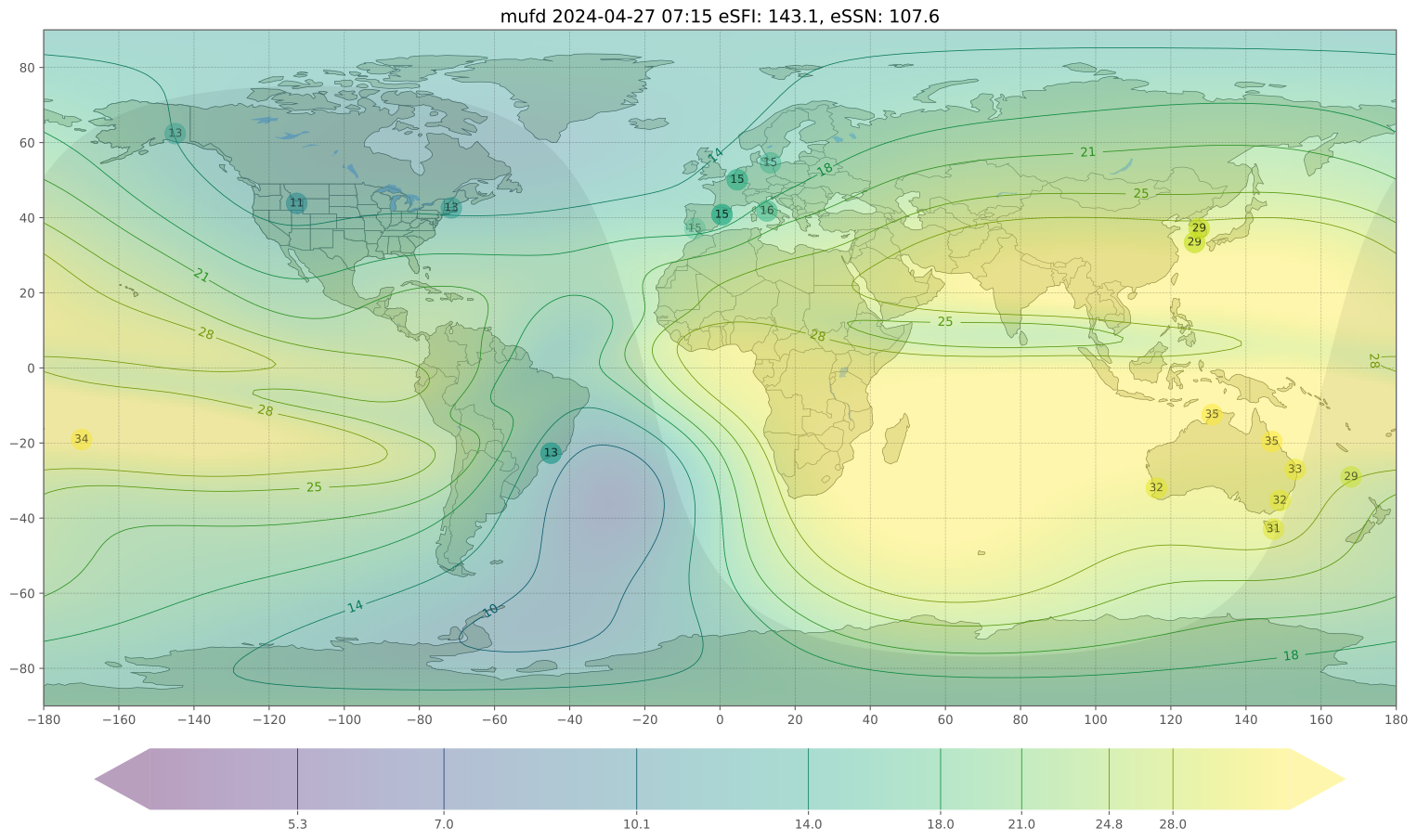
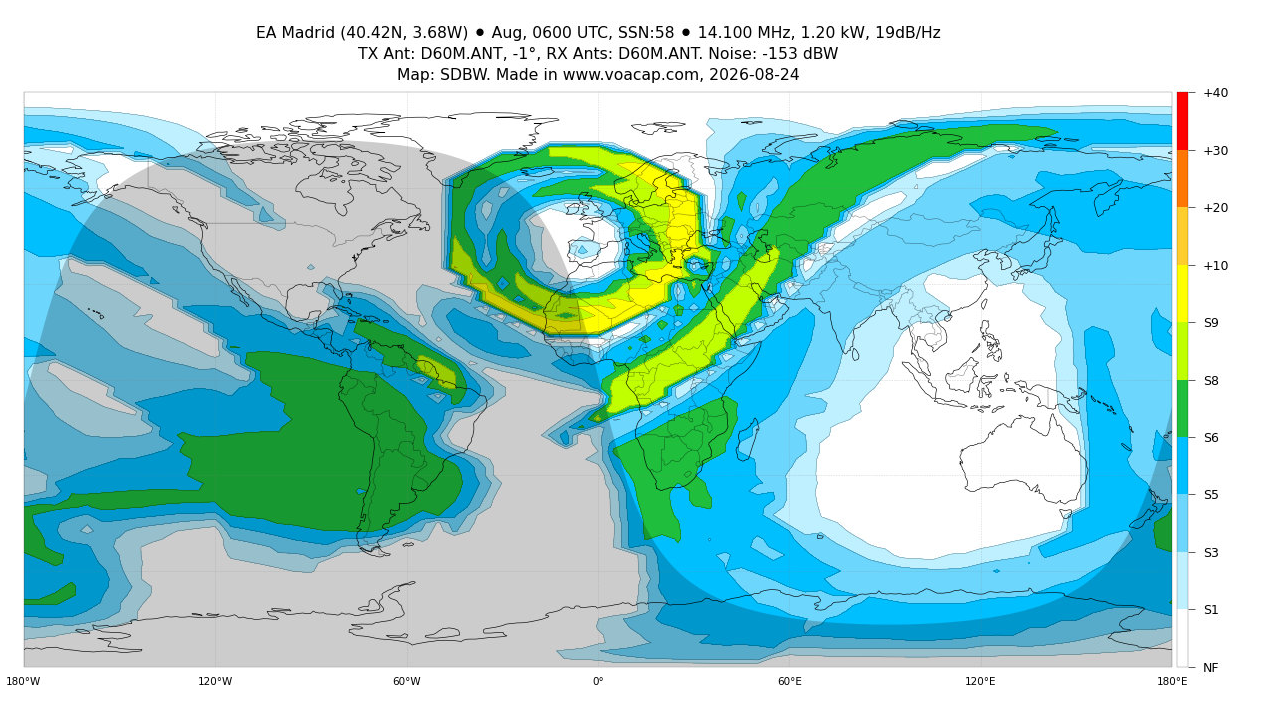
Geomagnetic storms, on the other hand, can significantly alter the structure and electron density of the ionosphere, causing variations in the Maximum Usable Frequency (MUF) between radio stations. A reduction in MUF can degrade or close propagation paths at higher HF frequencies, while under some disturbed conditions increases in ionospheric electron density may raise the MUF and temporarily enhance propagation or produce openings at higher frequencies.
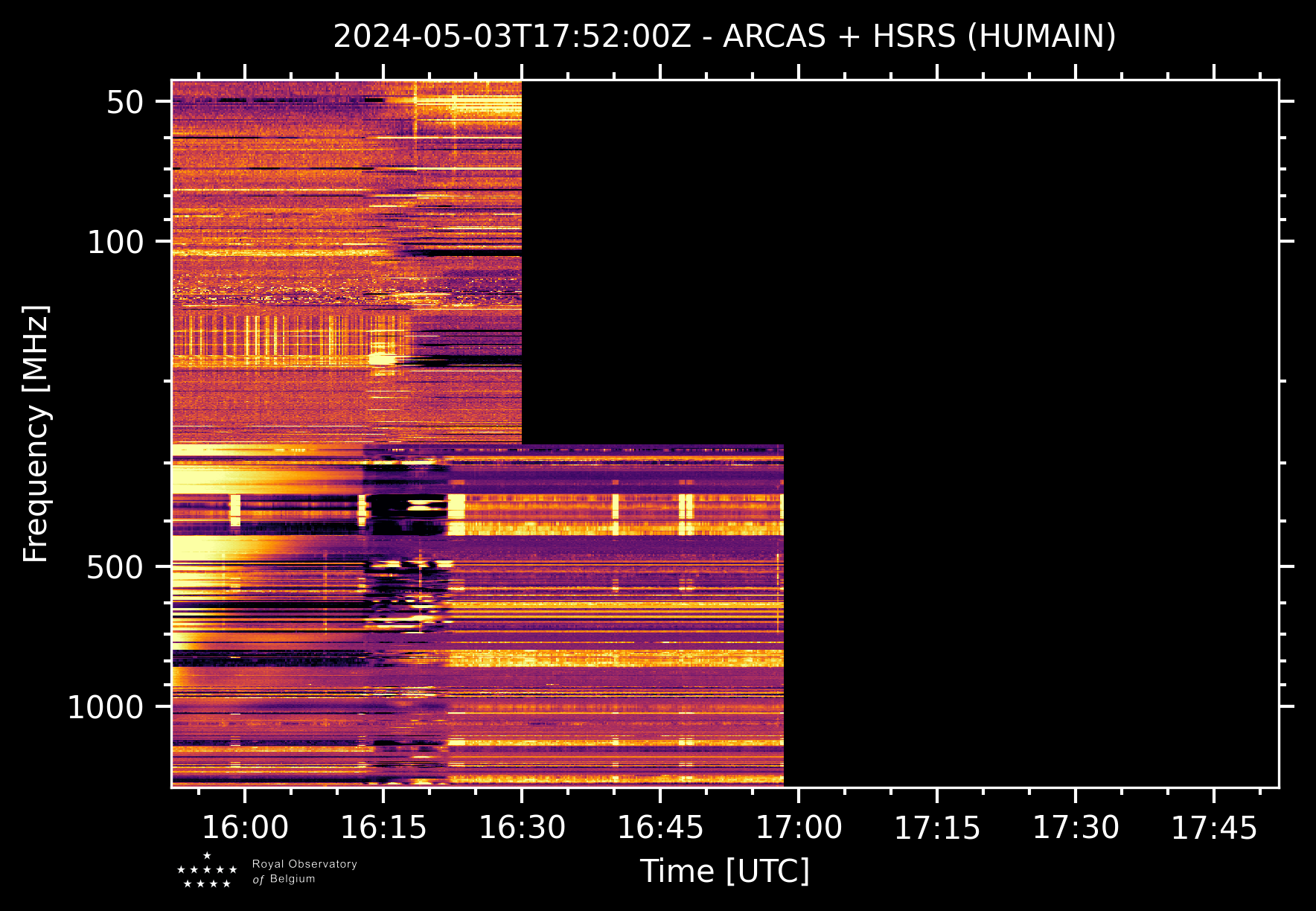
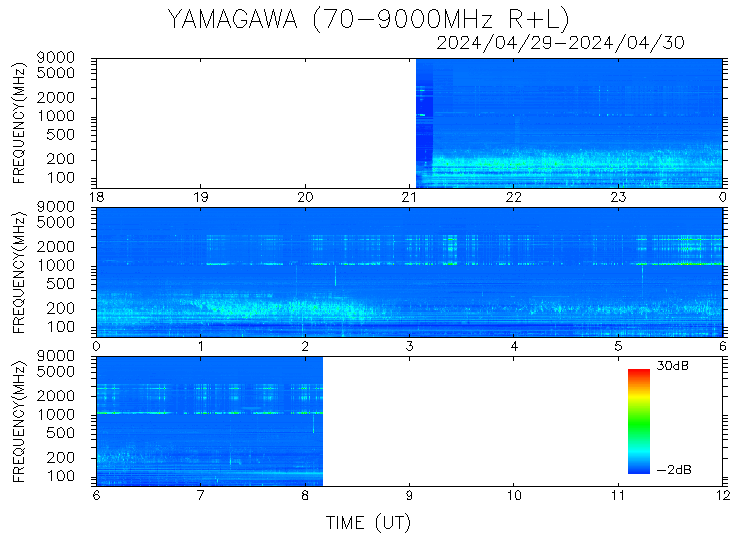
Finally, the Sun also produces bursts of radio emission across the radio spectrum. These emissions are classified into different types and can generate interference, degrading the signal-to-noise ratio of radio communication systems.
This page provides a detailed description of the space weather phenomena that affect radio communications. You may also wish to consult the Current Space Weather section, where you will find an HF Radio Dashboard containing the most relevant operational information.